The Royal Legacy of Jaipur
Jaipur, the capital of Rajasthan, is famously known as the "Pink City" for the distinctive pink hue of its buildings. Founded in 1727 by Maharaja Sawai Jai Singh II, the city was meticulously planned by Vidyadhar Bhattacharya, making it one of the first planned cities of India.
Its strategic design, vibrant culture, and magnificent architecture quickly established it as a prominent center of art and commerce. The city's foundation marked a new era in Rajputana history, moving away from the more rugged terrain of Amber to a more expansive and aesthetically pleasing location.
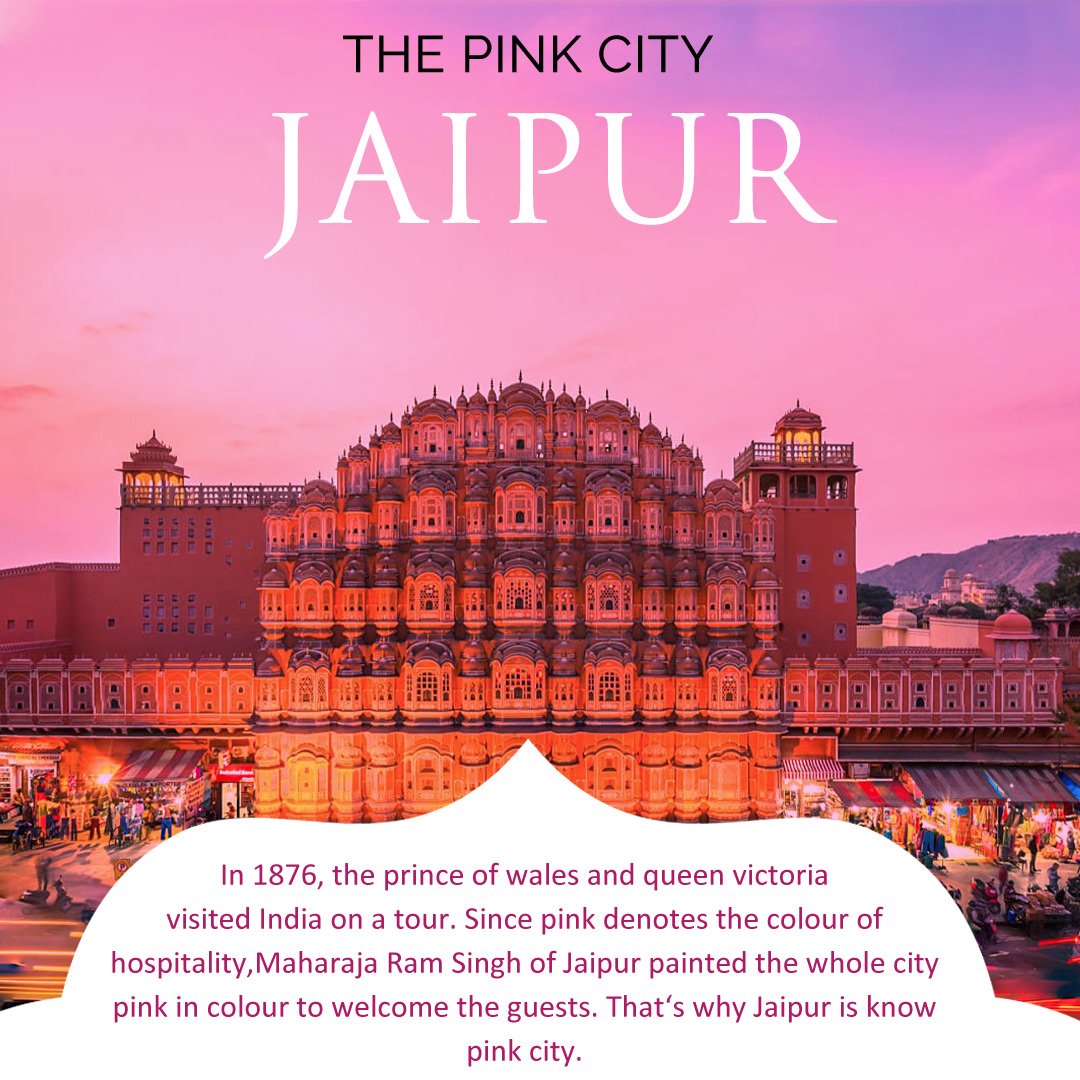
The Pink Hue: A Symbol of Welcome
The city earned its "Pink City" moniker in 1876 when Maharaja Sawai Ram Singh II had the entire city painted pink to welcome Prince Albert and Queen Victoria. Pink, traditionally a color of hospitality, has since remained the dominant color, giving Jaipur its unique identity and charm.
This tradition continues to this day, with strict regulations ensuring new buildings in the old city conform to the iconic pink sandstone color, preserving its timeless beauty. Every street, every building tells a story of royalty, valor, and artistic grandeur.
A Glimpse into the Past
Jaipur's history is intertwined with tales of powerful rulers, architectural marvels, and a rich cultural heritage. From the formidable Amber Fort that guarded its past to the serene Jal Mahal floating on Man Sagar Lake, every corner of Jaipur whispers stories of a bygone era.
The city's vibrant bazaars, intricate handicrafts, and traditional performing arts reflect a culture that has been meticulously preserved and celebrated through generations. Jaipur is not just a city; it's an experience, a journey through time that captivates every visitor.
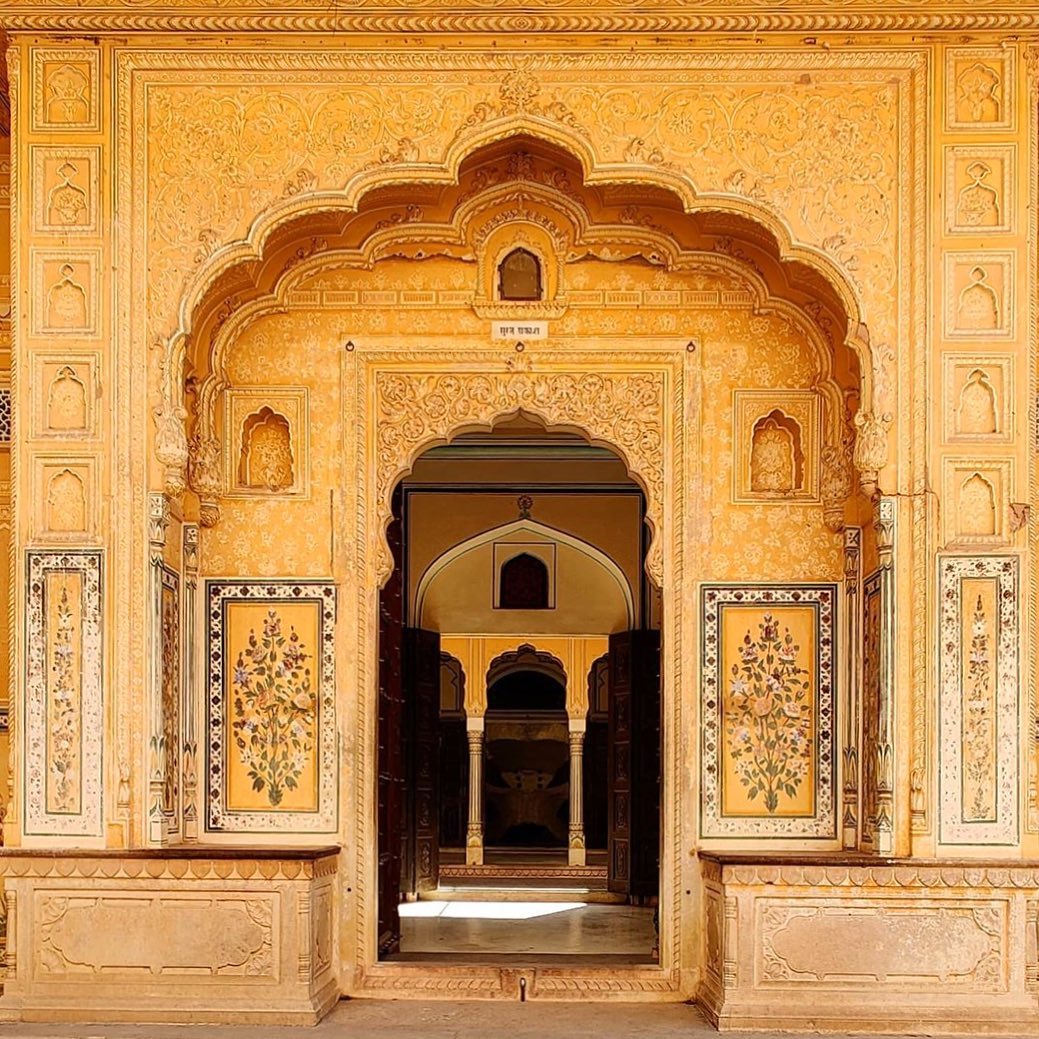
The grandeur of Jaipur's royal past reflected in its magnificent architecture.